Joyette Holmes: Biography, Career, Policies & Achievements
[affiliatable id=’311432′]
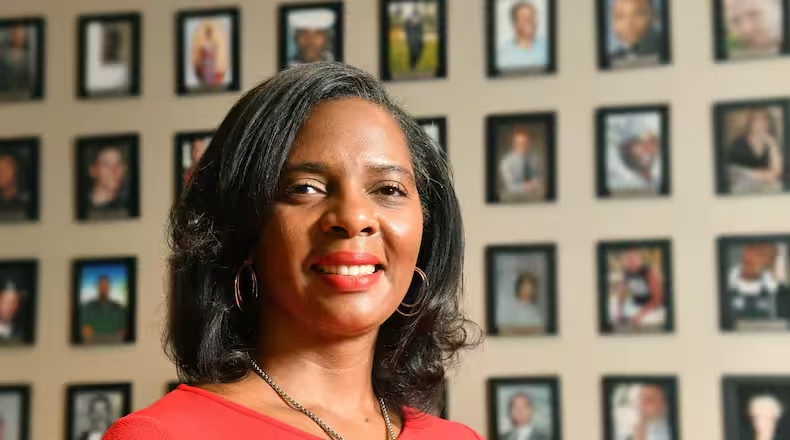
Joyette Holmes has emerged as a notable figure in the legal and public service fields, recognized for her leadership and dedication to justice.
As a former district attorney and judge, Holmes has shaped policies that reflect fairness and community engagement.
This overview examines her background, career progression, policy initiatives, and achievements, highlighting her contributions to law and society.
Whether as a trailblazer in courtrooms or a voice for civic improvement, Joyette Holmes’s story offers a look at a public servant focused on upholding principles and fostering positive change.
Background and Early Years of Joyette Holmes
Joyette Holmes’s early years laid an important foundation for her future service in Georgia’s legal system and highlighted her commitment to the community.
Raised in the state of Georgia, Holmes grew up understanding the value of education and civic responsibility.
Her roots in Cobb County run deep, contributing to her nuanced understanding of the county’s needs and its diverse population.
During her formative years, Holmes developed a sense of duty to give back to the area that shaped her perspective on leadership and justice.
Holmes attended Georgia schools, pursuing an education that would eventually open doors to a career in law.
Driven by both scholarship and service, she built relationships with mentors and peers who would become important collaborators in her professional journey.
Her academic background prepared her for significant responsibilities within the Georgia courts, first serving as a magistrate judge and later taking on higher roles.
Holmes’s early commitment to education signaled her potential for leadership in Cobb County and beyond.
After joining the legal profession, Joyette Holmes began serving the public as a magistrate before rising to become chief magistrate.
Her leadership in the courts helped shape the way Cobb County addressed local legal issues.
These roles gave her firsthand experience with the daily operations of the county courts and allowed her to collaborate with other leaders.
Holmes also became deeply involved with community affairs, maintaining active engagement with Georgia’s legal landscape and the state’s evolving standards.
Her leadership as chair of the board members for state initiatives, such as the state board of pardons and parole, demonstrated a commitment to fairness and responsibility at every level.
These formative experiences set the stage for the influential roles Holmes would later assume in service to Cobb County and the state of Georgia.
Career Milestones and Leadership Experience
Building on a foundation rooted in Cobb County and deepened through early legal roles, Joyette Holmes’s career embodies service, leadership, and a commitment to fair justice.
Rising through several positions, including chief magistrate and district attorney, her pathway reflects dedication to both law and the people it serves.
Holmes’s leadership stretches beyond the courtroom, marked by her influence on state boards, partnerships with organizations like the NAACP, and active engagement within the broader legal community.
Her service on various boards and as chair demonstrates how leadership and community involvement are essential strands in her ongoing contribution to Cobb County and Georgia’s courts.
Board Members and Community Involvement
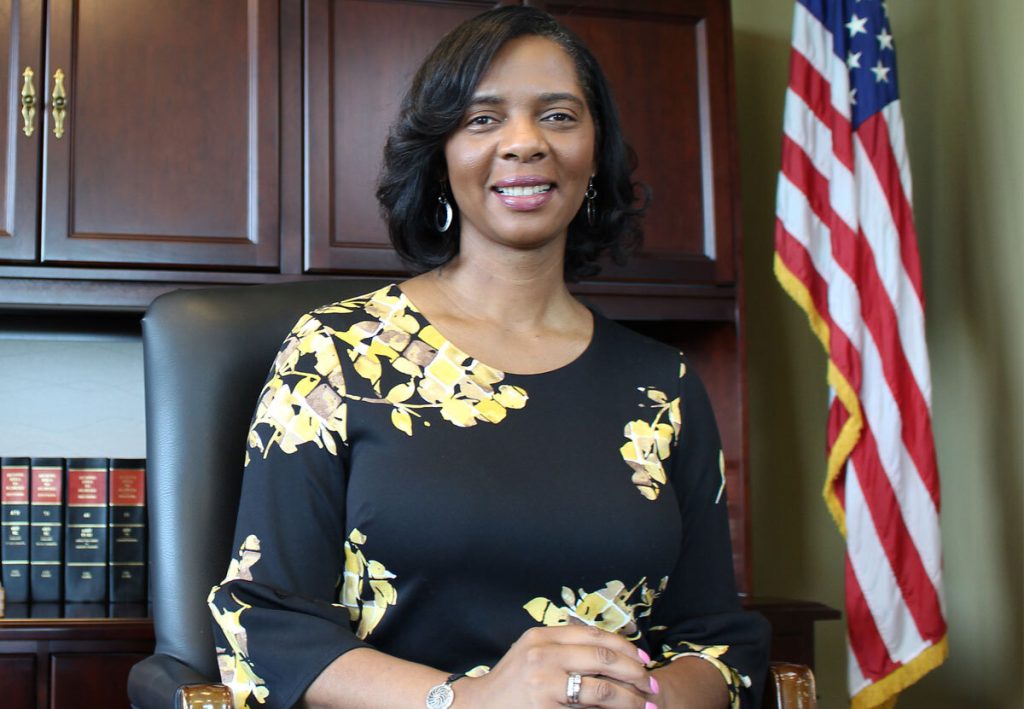
Joyette Holmes’s work with board members and community organizations in Cobb County extends far beyond her renowned service as chief magistrate and district attorney.
Holmes has taken on leadership responsibilities on several state boards, where her legal insights and integrity help shape policies and strengthen the justice system.
As chair among board members on the state board of pardons and parole, Holmes consistently demonstrates her dedication to fair judicial processes throughout Georgia.
Her presence on such boards showcases her commitment to addressing complex issues facing the courts while engaging with a diverse range of perspectives found within the community.
Holmes’s involvement with the Cobb County branch of the NAACP underlines a belief that collaboration is fundamental to advancing equity and justice.
Whether serving alongside the NAACP or as Holmes Esq in various forums, she routinely connects the legal system with the realities and needs of the broader community.
Holmes supports programs that foster dialogue between board members, the judiciary, and Cobb residents, bridging gaps and building trust.
Her regular participation in forums and town halls means voices from all segments of Cobb have access to the courts and its leaders.
This hands-on leadership approach keeps decision-making aligned with what’s happening on the ground in Cobb County.
Recognition for such efforts came with the Benham Award, highlighting Holmes’s ability to unite leadership, court involvement, board membership, and commitment to the public good.
Her role in the Georgia magistrate community and as a supreme court advocate for fairness has shaped both policy and culture within county and state courts.
Holmes serves on prominent boards and maintains close collaboration with magistrate judges from across the state, always advancing principles valued by Cobb County and Georgia’s courts.
By continuously blending her judicial expertise with chair positions, state board leadership, partnerships with organizations like the NAACP, and tireless community work, Holmes personifies public service and the pursuit of justice throughout Cobb and the entire state.
Policy Initiatives and Areas of Focus
Joyette Holmes’s influence as a leader in Georgia’s legal community can’t be overstated, especially when considering her policy focus and unique initiatives.
Holmes has earned respect not only as a magistrate judge and Cobb County district attorney, but also for her leadership in state-level boards, such as her role as chair on the state board of pardons and parole.
Her approach weaves together experience from her time on the bench, involvement with Georgia’s Supreme Court, and dedicated advocacy for victims.
This section highlights how Holmes’s leadership in high-profile cases and policy shaping reflects her ongoing commitment to justice, fair courts, and responsive public service.
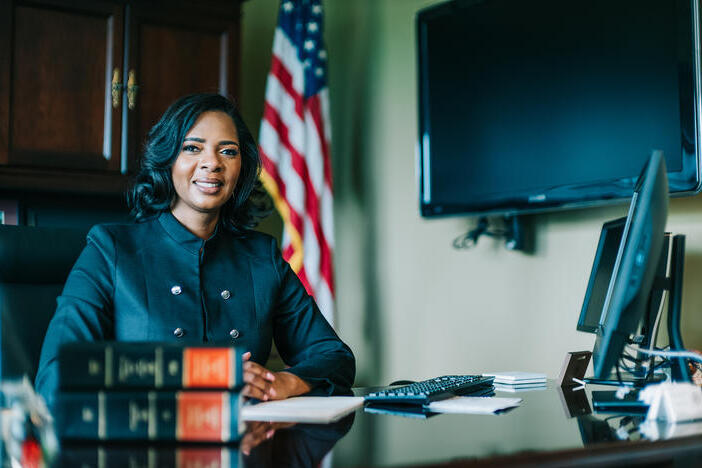
Roles in the Ahmaud Arbery Case
Joyette Holmes’s service as district attorney in the Ahmaud Arbery case marked a defining period in her career, placing her at the center of one of Georgia’s most visible legal proceedings.
When the state appointed Holmes, her leadership brought a deep understanding of the legal system’s obligations to both victims and the accused.
As district attorney, Holmes’s prior work as a magistrate judge in Cobb County and her tenure on state boards, including as chair, equipped her with insight into how systemic policies intersect with individual cases.
Her decision-making in the courtroom reflected a careful balance of justice, transparency, and legal ethics that echoed her years on the Cobb County bench as well as her connections with education, the courts, and the broader legal community.
Holmes’s strategy outlined a clear collaboration with law enforcement, victim advocates, and the court system when navigating the trial’s complexities.
Throughout the Arbery proceedings, she emphasized the importance of fair process and transparency, values she fostered during her time as Holmes Esq and magistrate judge.
This approach demonstrated how policy can shape the outcome of cases with broad public interest, making it clear that the state and Cobb County were committed to consistent standards of justice.
Her prior leadership experience, recognition with the Benham Award, and established relationships within both the courts and organizations, such as the Georgia Supreme Court, contributed to an environment where victims’ voices were heard alongside state procedural requirements.
In steering the prosecution, Holmes also gave attention to the wider responsibilities of a district attorney, including public communication and coordination with agencies like parole and pardons. Her courtroom conduct drew on her prior service in Cobb County, drawing on best practices from the state bar and policies she engaged as a board member.
Holmes reinforced the importance of involving court systems beyond the local, such as state courts and the Supreme Court of Georgia, to ensure each policy met broader legal standards.
Her work in the Ahmaud Arbery case continues to inform dialogue across Cobb, Georgia, and national discussions about how district attorneys, magistrates, and board chairs uphold both procedure and the rights of victims under the state’s legal framework.
Joyette Holmes continues to leave a mark through her commitment to balanced justice and leadership. Her dedication to law and public service stands out in Georgia’s legal community, reflecting in her approach to policy and reform.
By prioritizing fairness and civic engagement, Holmes has influenced both courtroom outcomes and public perception of the legal system.
Her ongoing contributions and advocacy efforts ensure her work remains relevant, supporting the integrity of public service for years to come. Readers can look to her example for insights into ethical leadership and community-oriented justice initiatives.

Jordan is a political correspondent contributing to Politics News Daily’s news and Wiki sections, covering U.S. politics with clarity, factual depth, and transparency to make political information accessible.